
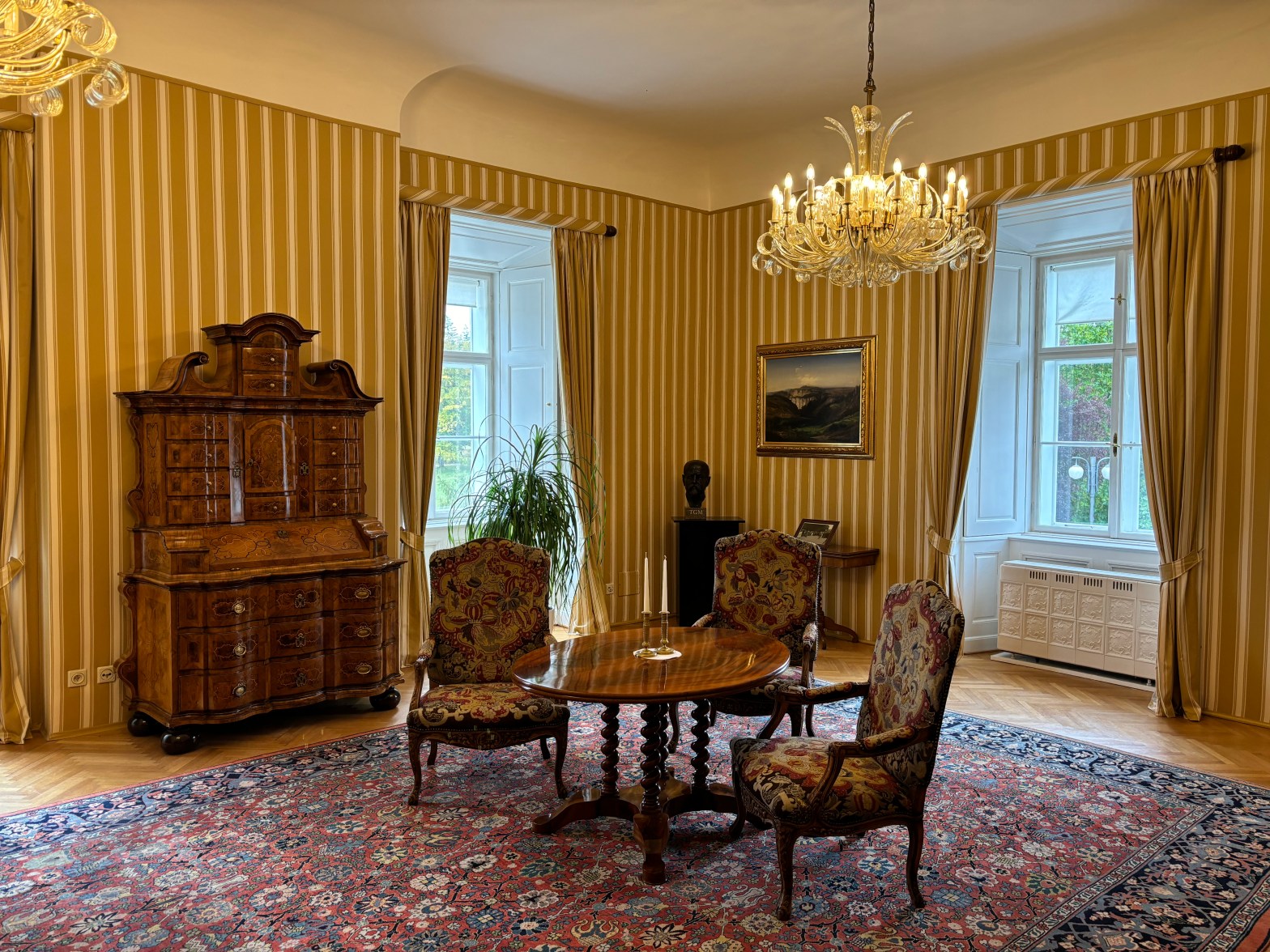
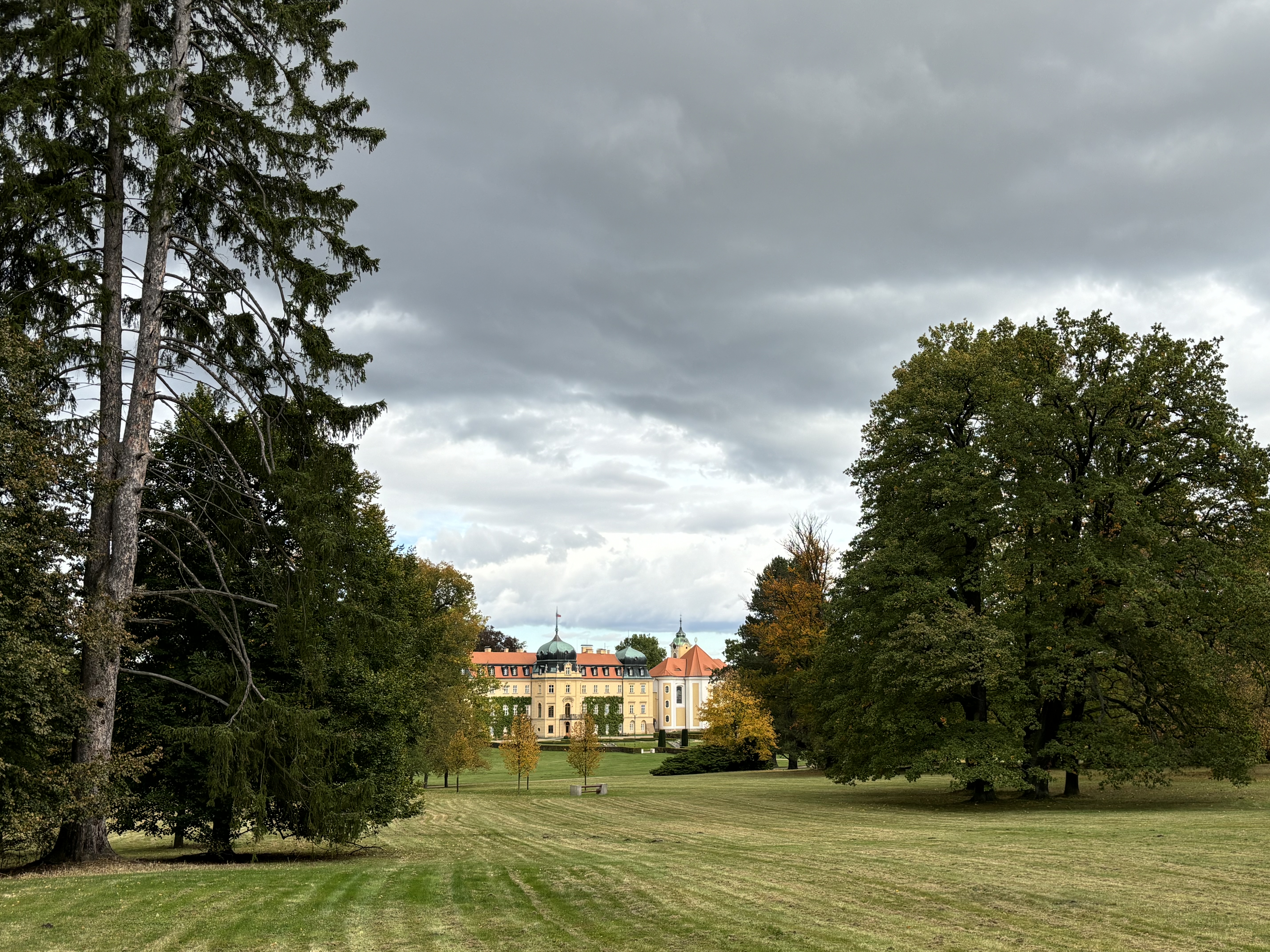
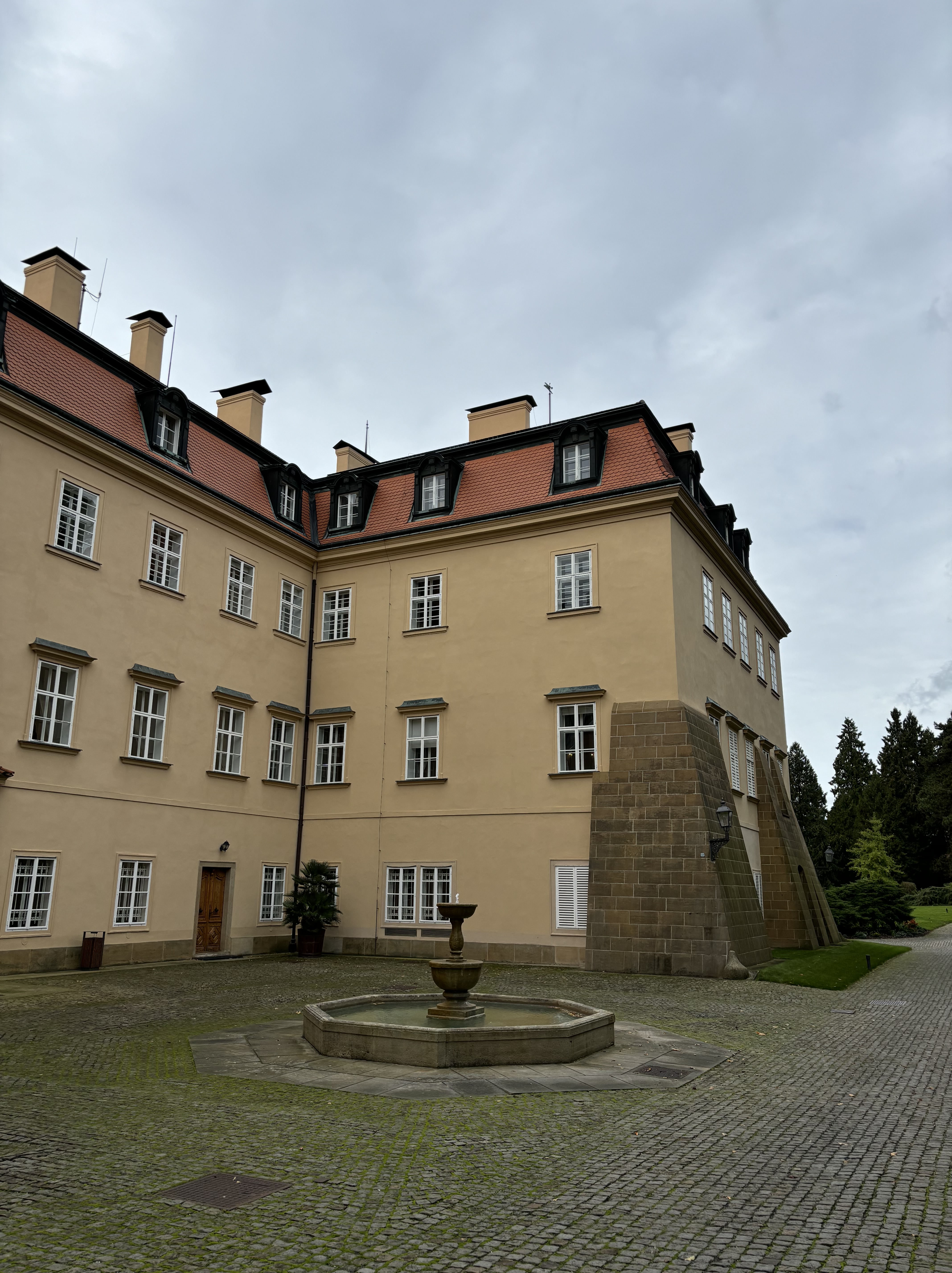
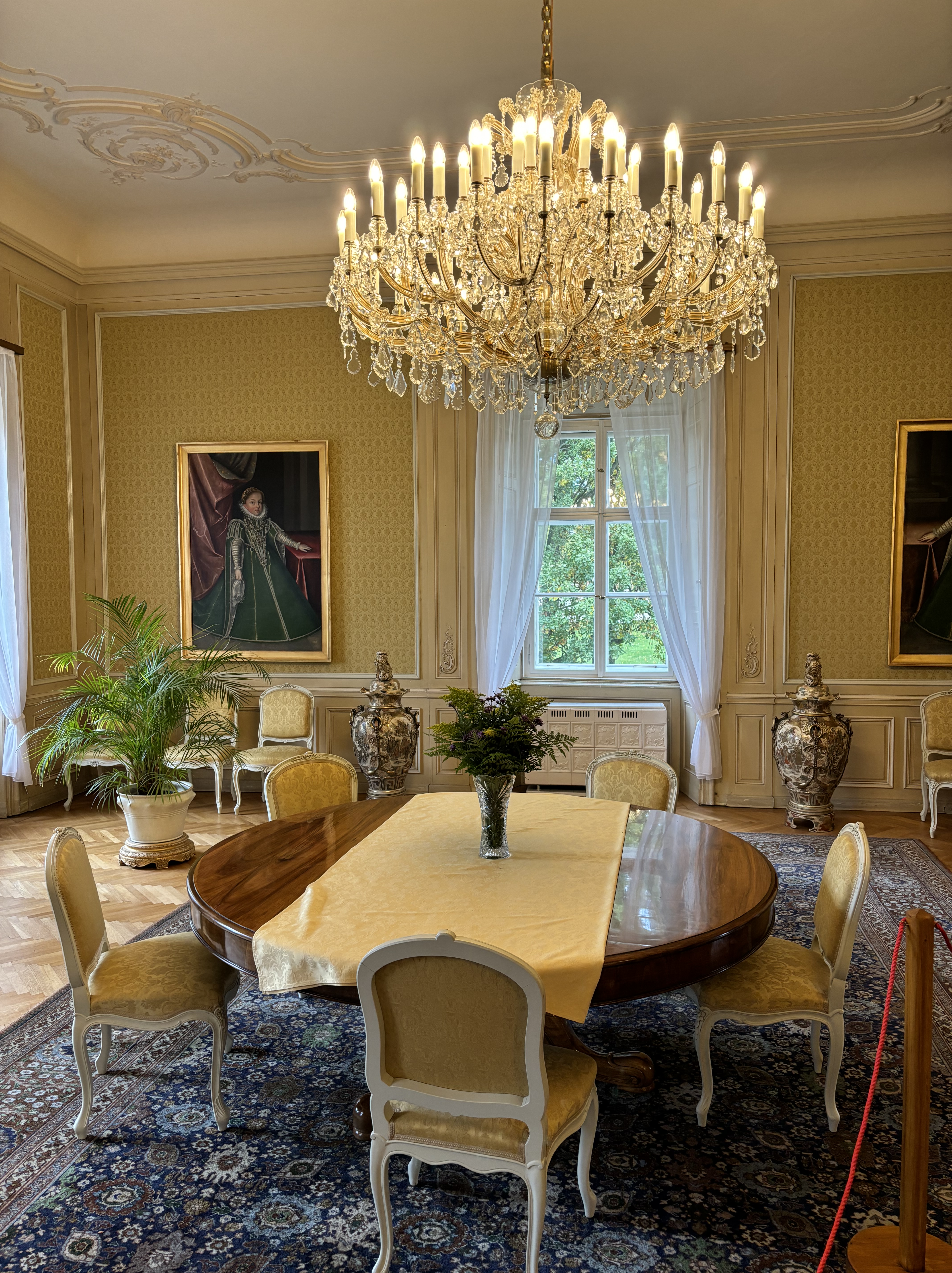
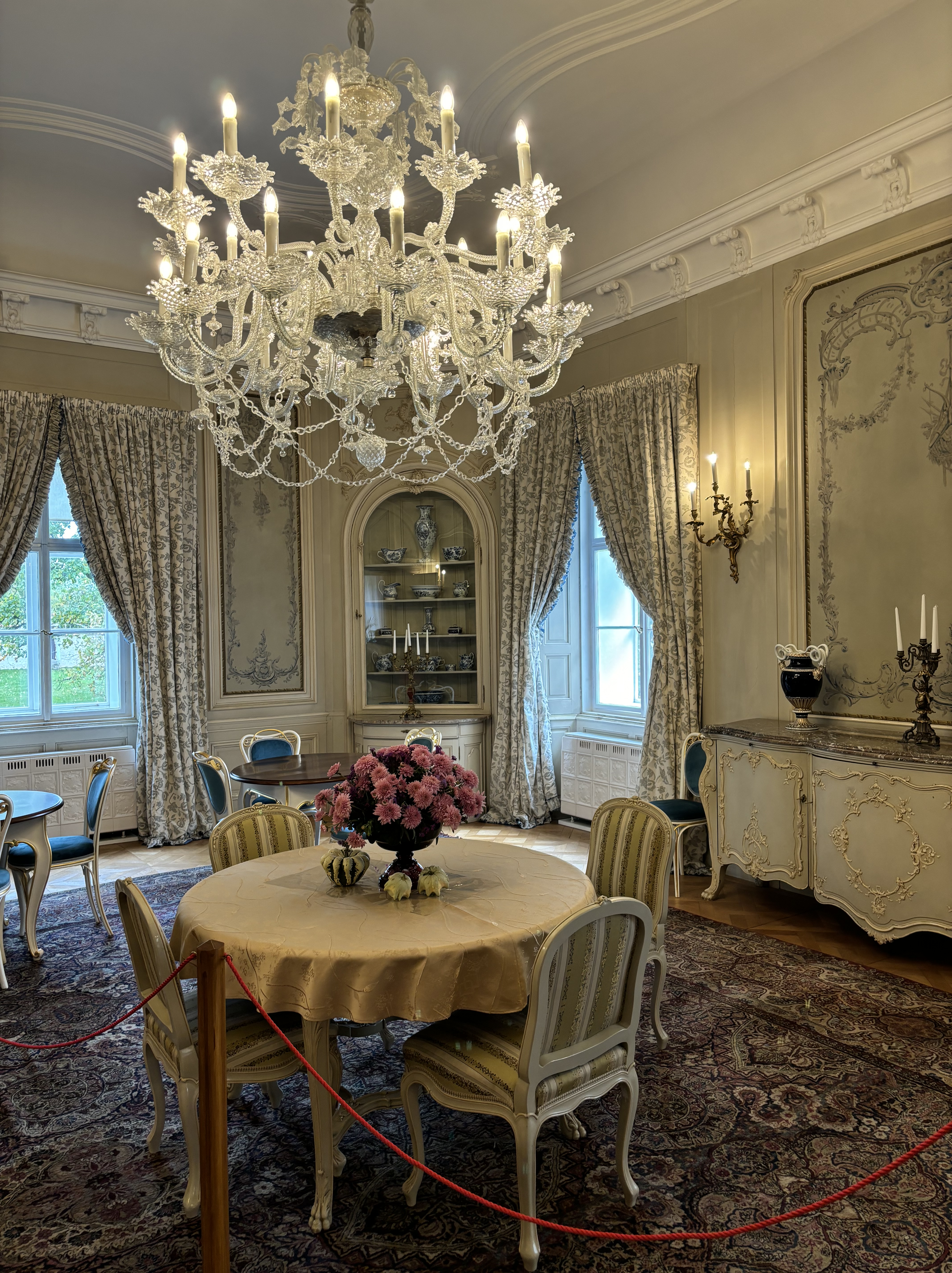
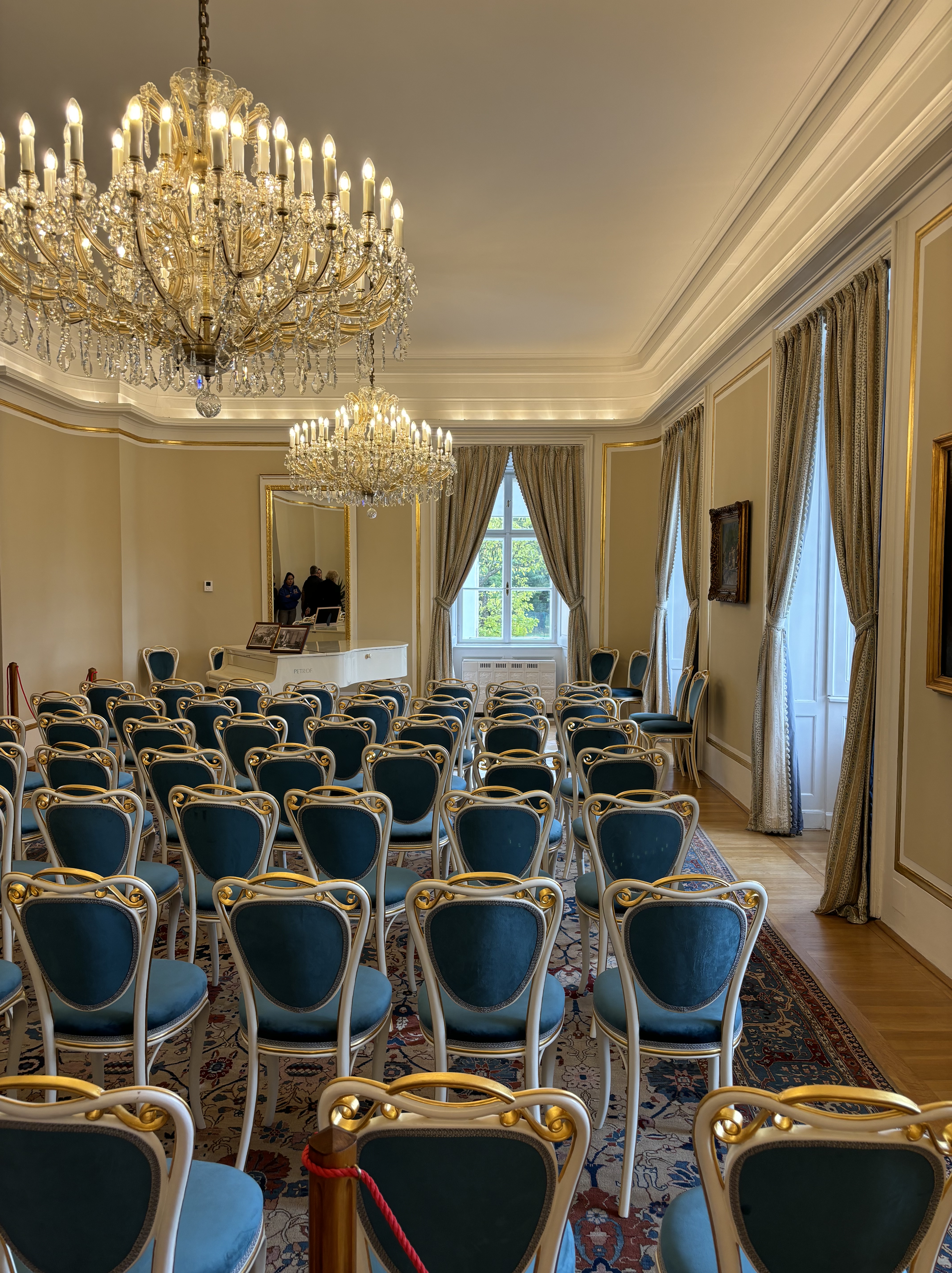
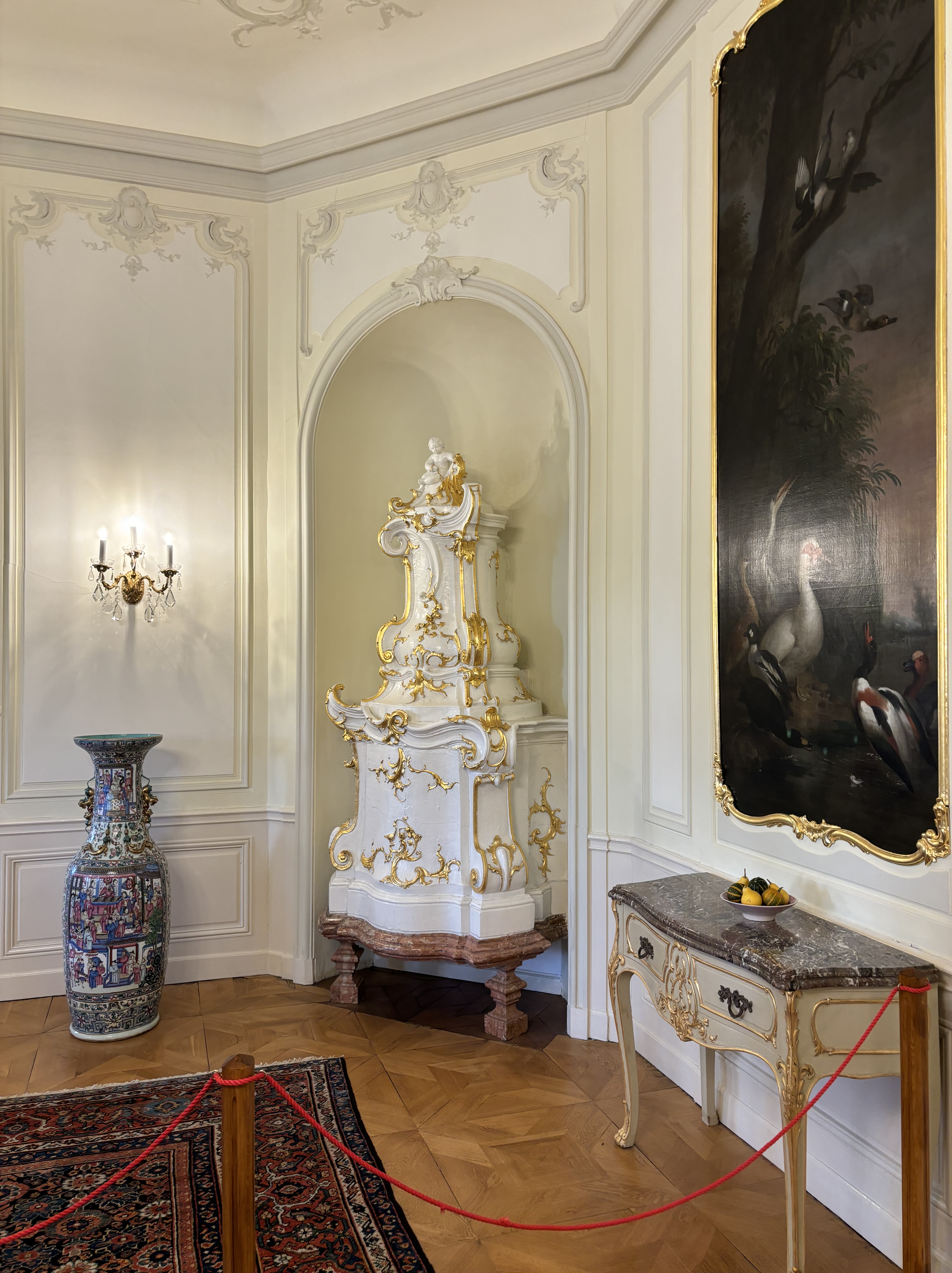
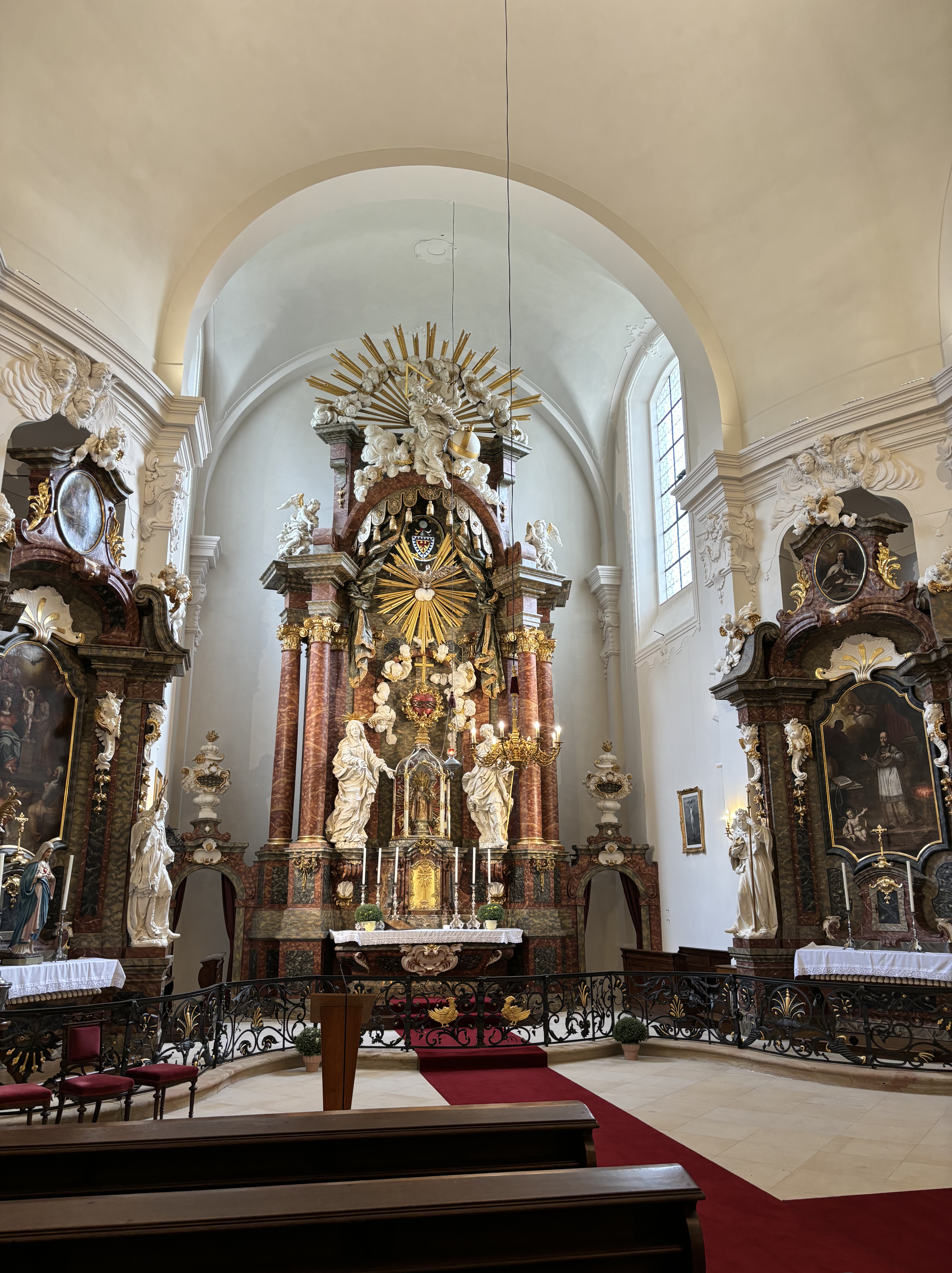
The Baroque chateau located in the village of Lány, nestled in the Křivoklát forests near Prague, serves as the official summer residence for the presidents of the Czech Republic.
The earliest records mentioning Lány date back to 1392 when a wooden fort stood on the site. Towards the end of the 16th century, Emperor Rudolf II acquired the village and replaced the original fortress with a simple Renaissance-style hunting lodge. Over the course of the 17th century, this lodge gradually evolved into a Baroque-style structure.
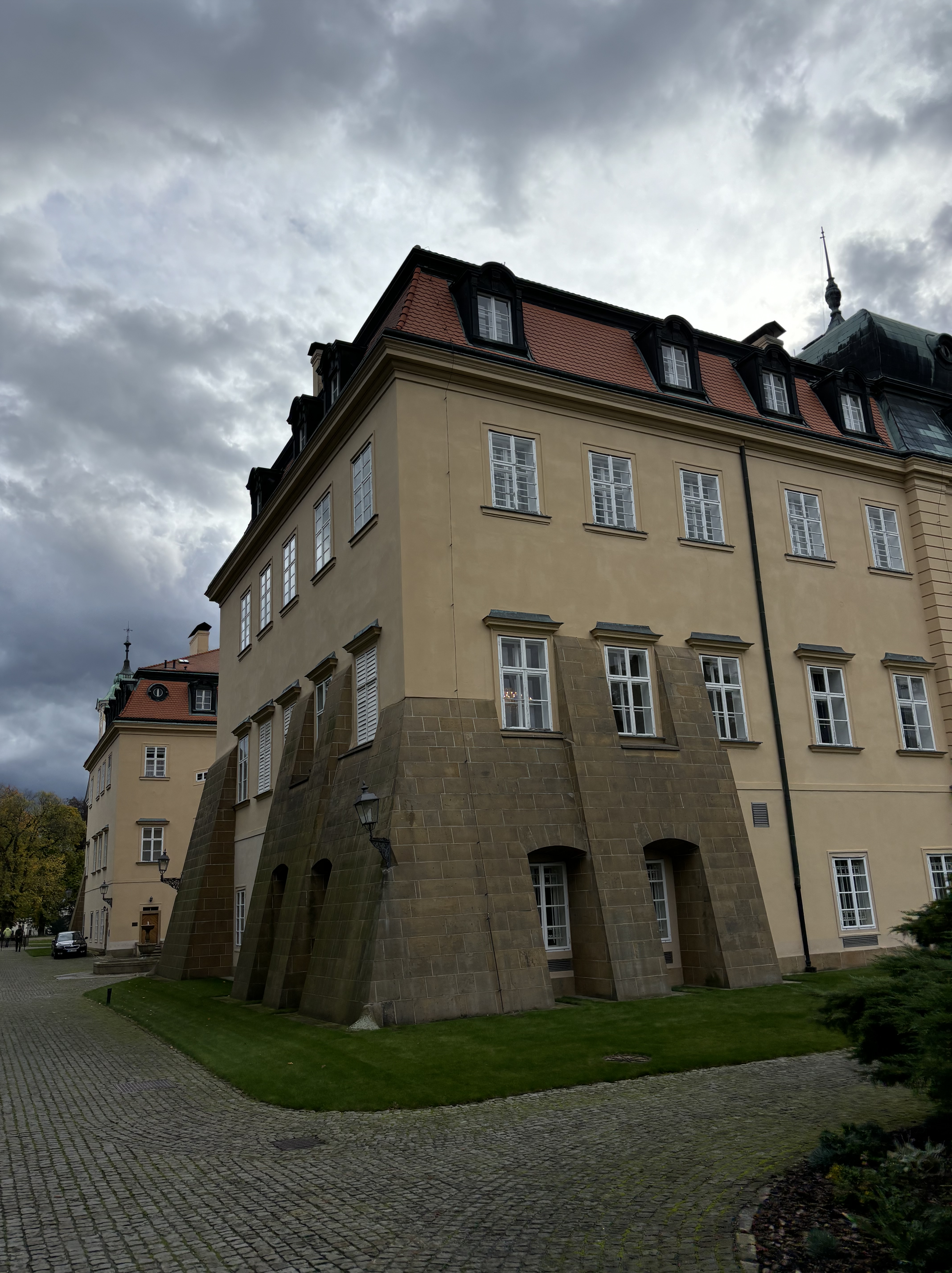
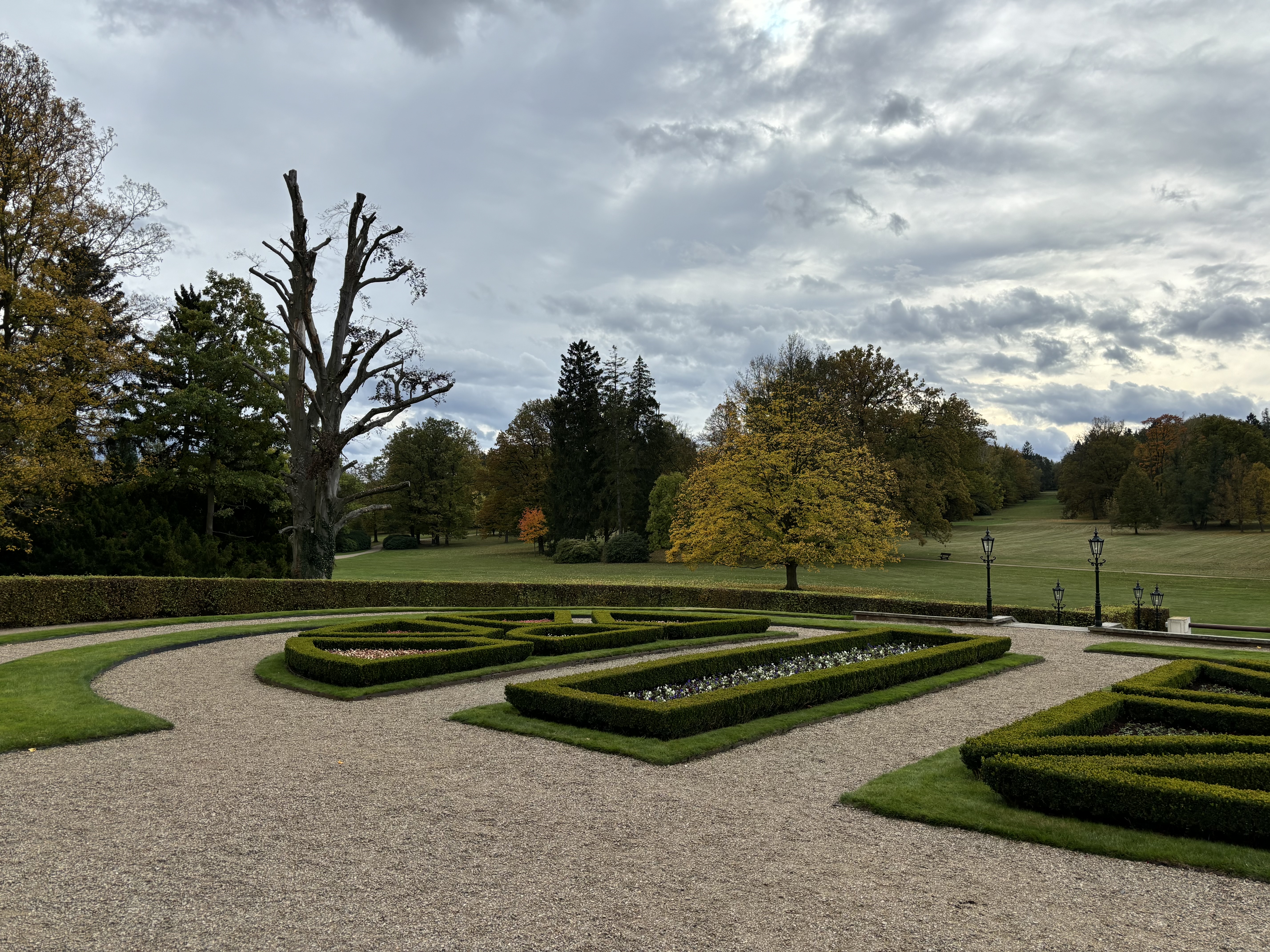
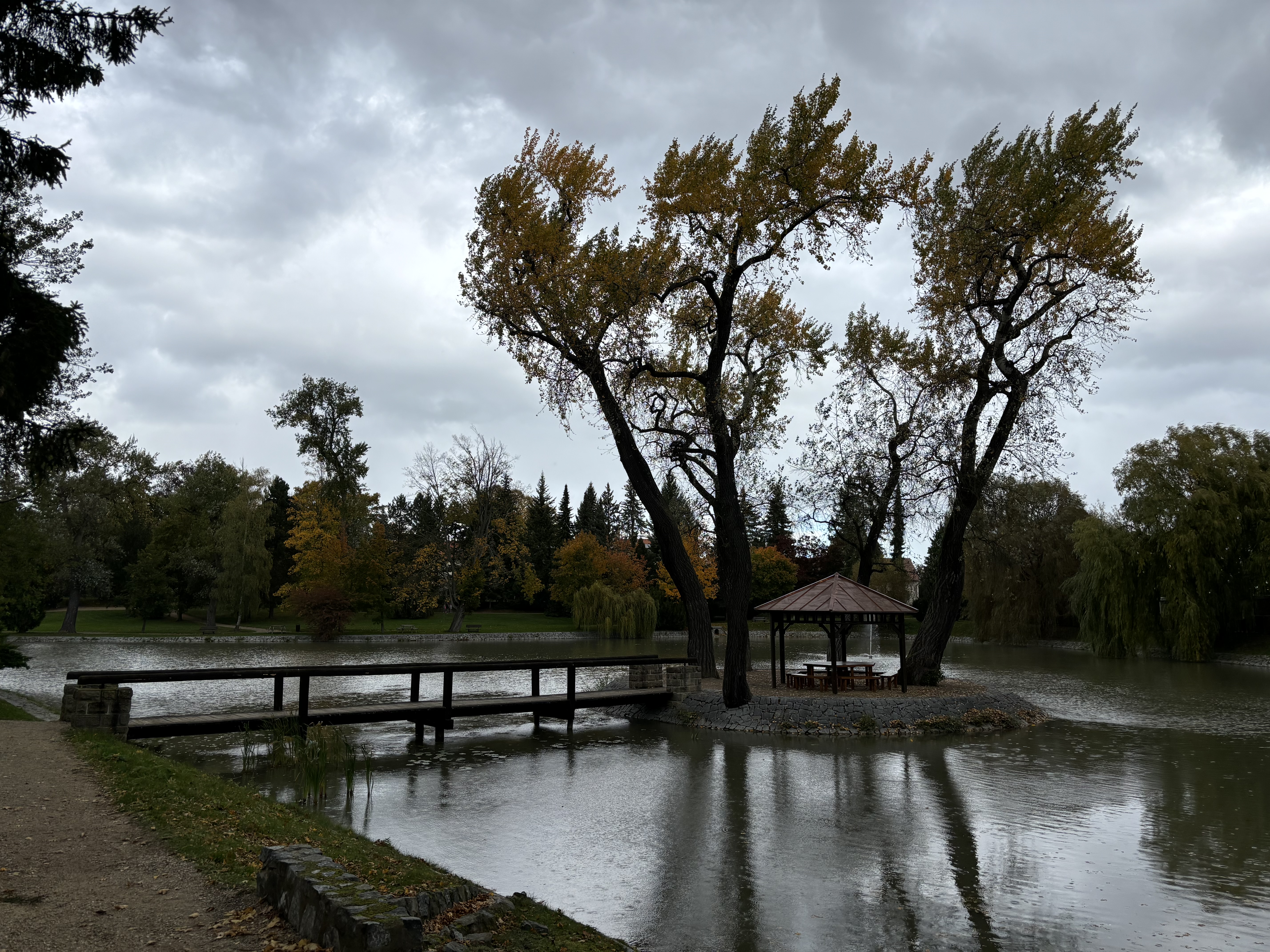
The Wallenstein family purchased the chateau in the late 17th century, and in 1730, Count Jan Josef Wallenstein added another floor to the modest building. From the early 18th century until 1921, the Fürstenberg family owned the estate. In 1921, the Czechoslovak government acquired the chateau to use it as an official residence for the nation’s Head of State. The chateau underwent numerous renovations, with its current appearance largely shaped by the restoration work done in 1902-1903. Architect Josip Plečnik carried out the most recent renovations between 1921 and 1924, refining both the chateau and its surroundings. Today, the chateau sits at the center of the Chateau Park, serving as its focal point and seamlessly blending with the landscape.
The first President of Czechoslovakia, Tomáš Garrigue Masaryk, developed a deep affection for Lány Chateau. After stepping down from his presidency in 1935, he was allowed to settle there with his family permanently. He ultimately chose Lány as the final resting place for himself and his loved ones. The Masaryk family’s grave site has since become a powerful symbol of Czechoslovak democracy, especially during times of totalitarian rule.
After Masaryk’s passing, Lány Chateau was only occasionally used. During World War II, State President Dr. Emil Hácha resided at the chateau. It wasn’t until Václav Havel’s presidency that Lány once again became a regular retreat for the head of state.



 Nomad Society